222 N Broadway ◆ Fargo, North Dakota ◆ EST. 1949
The Abernathey Building
A Brief History
Available Suites
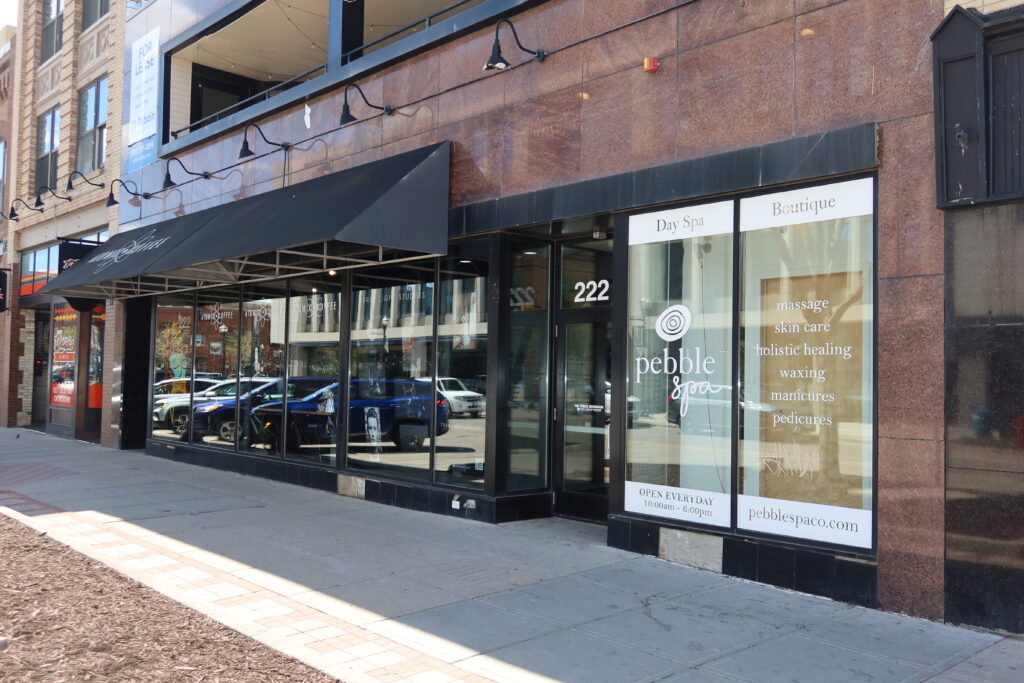
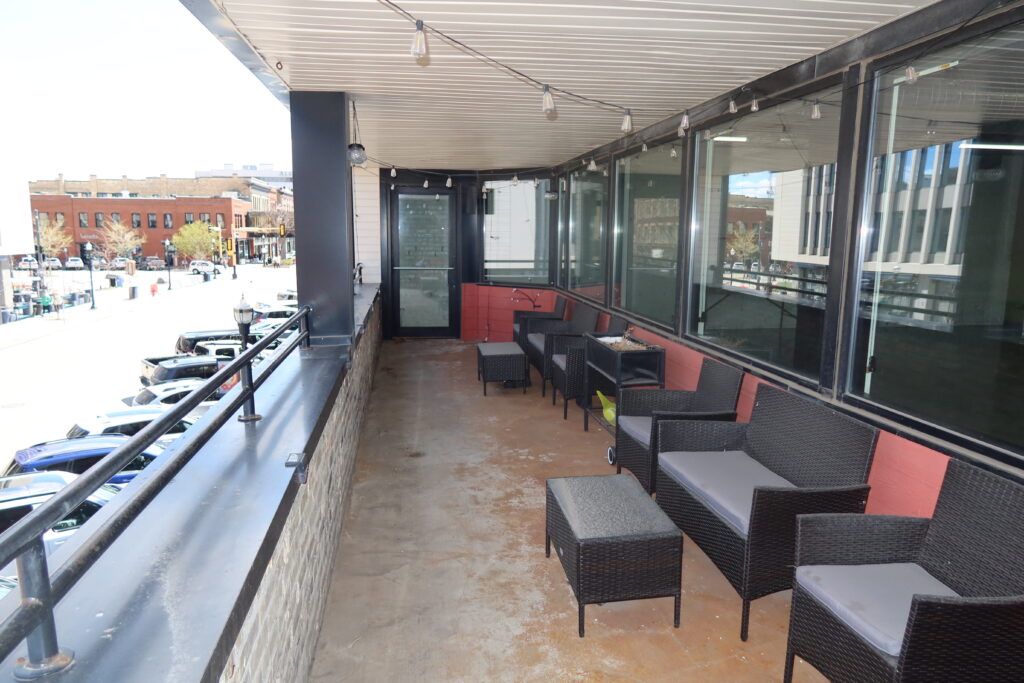
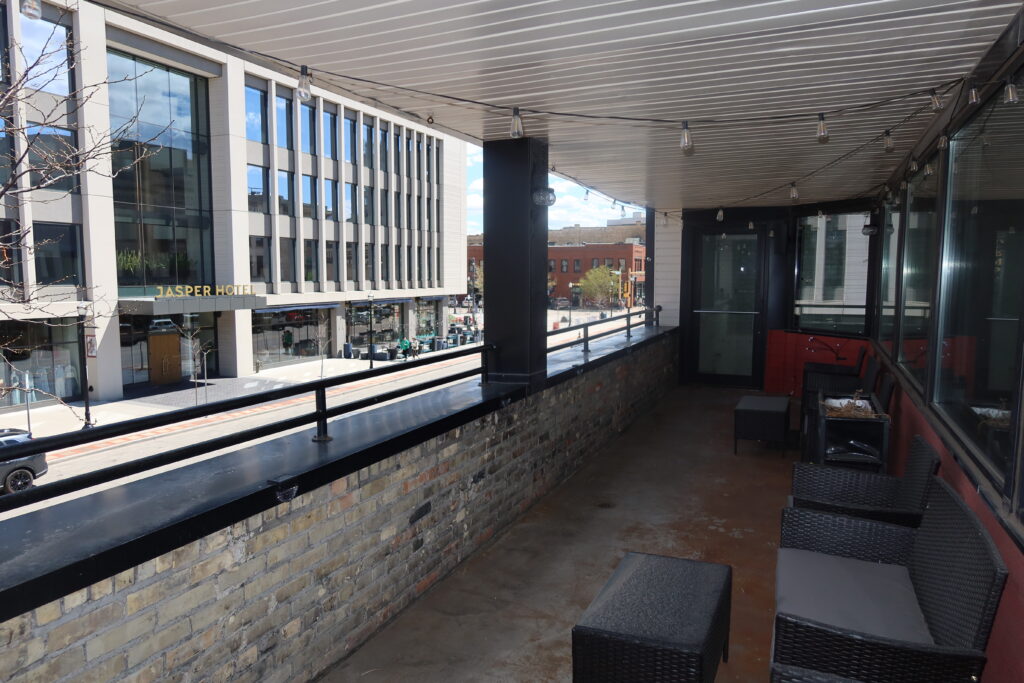
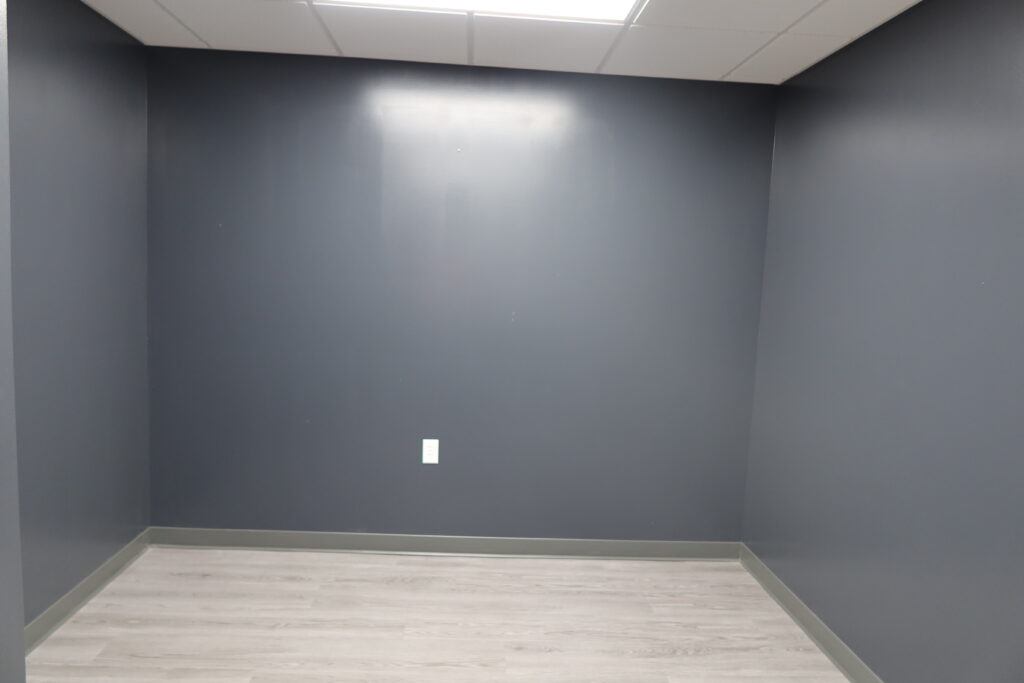
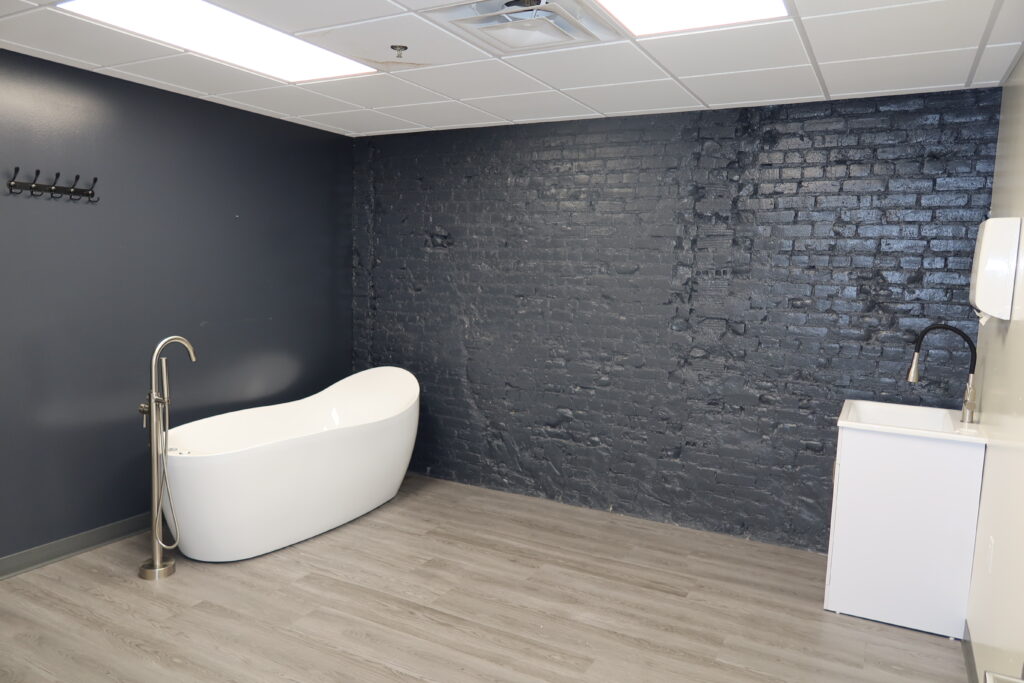
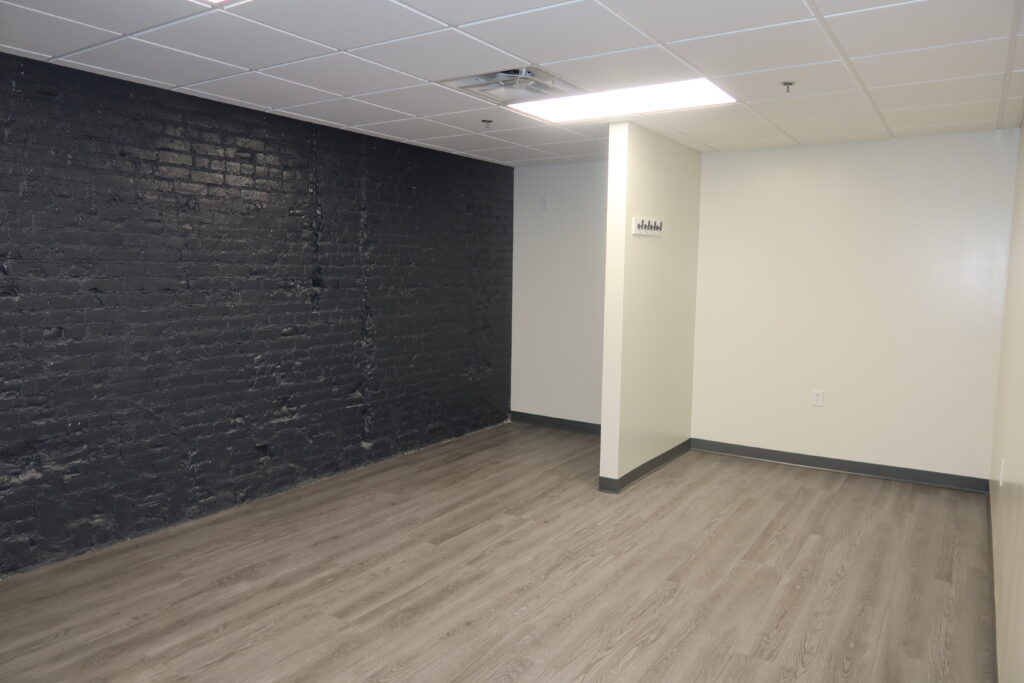
A turnkey upper floor on the most-walked block in downtown Fargo. Open lounge, private suite corridor, and a high-ceiling flex room — linked by a covered Broadway balcony. For the operator who wants character, light, and a downtown address.
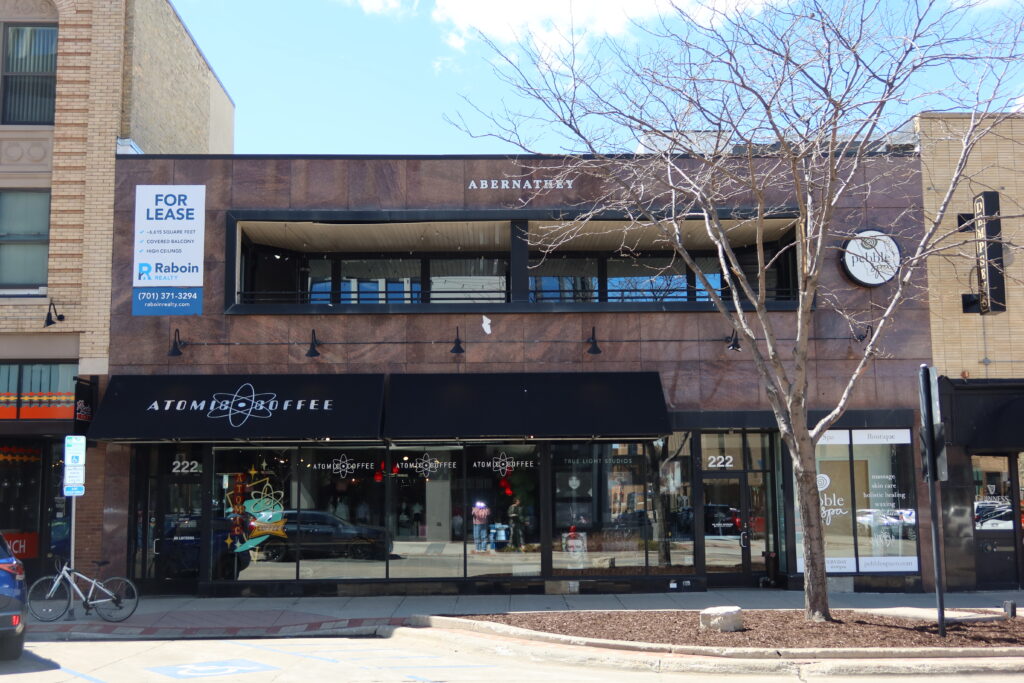
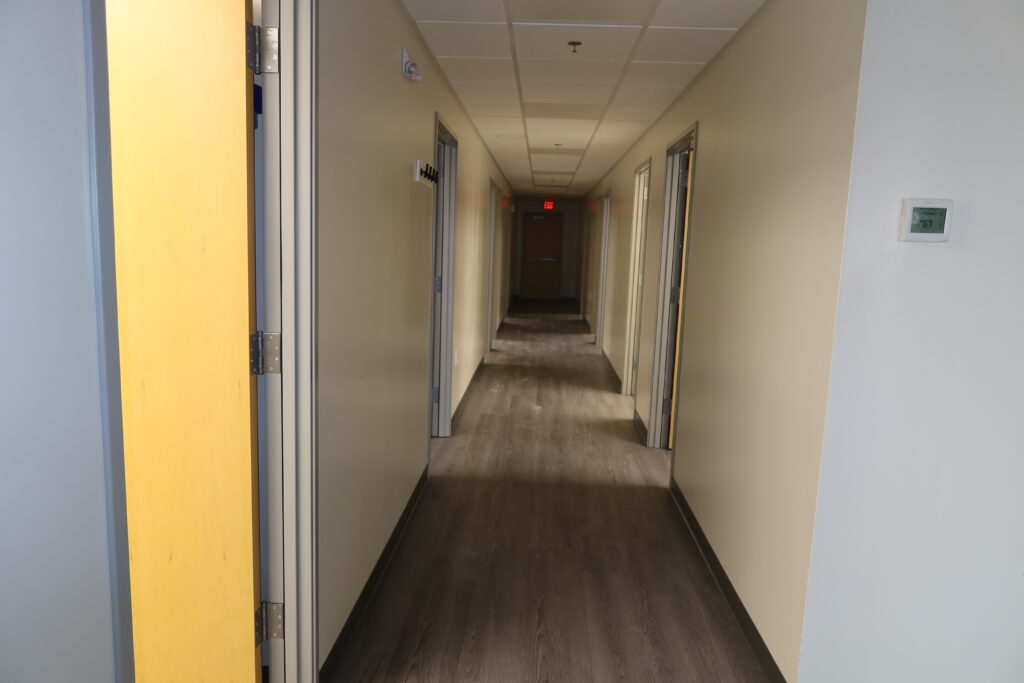
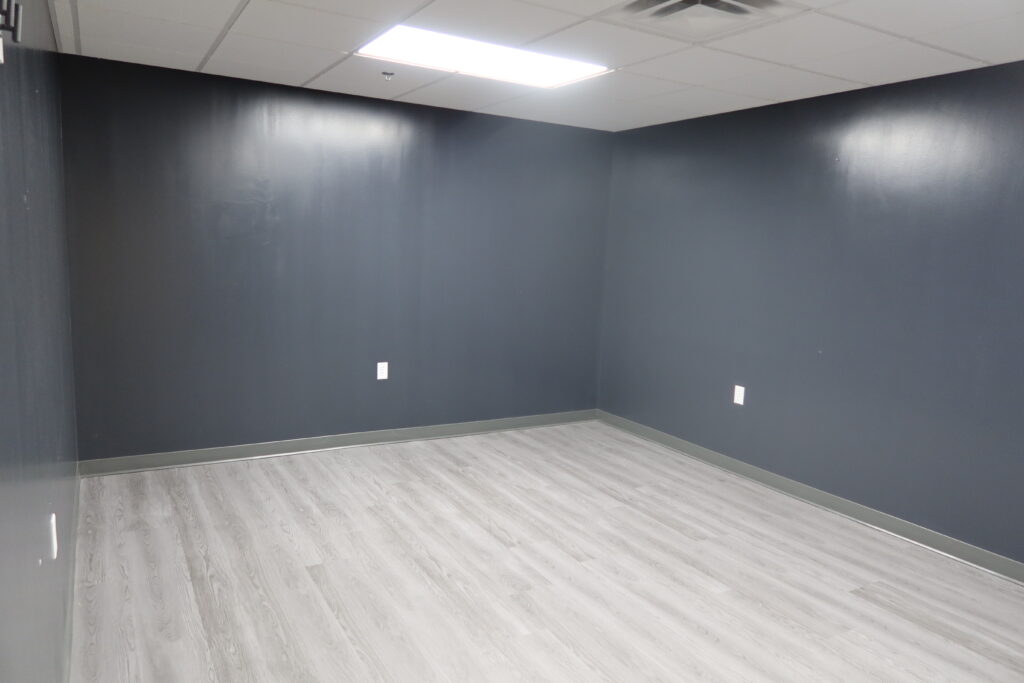
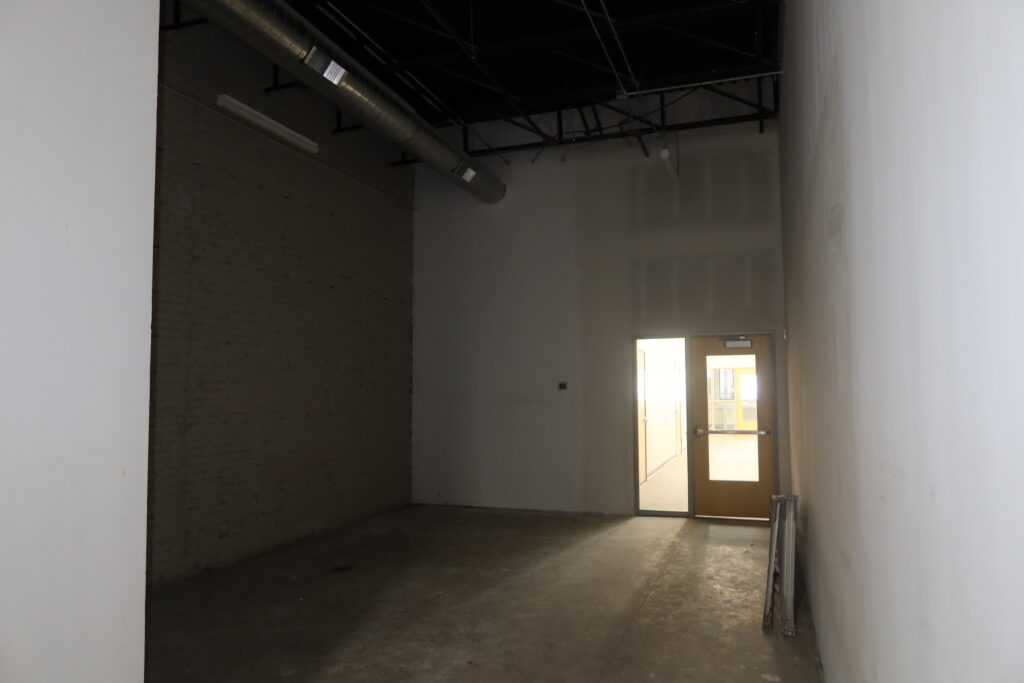
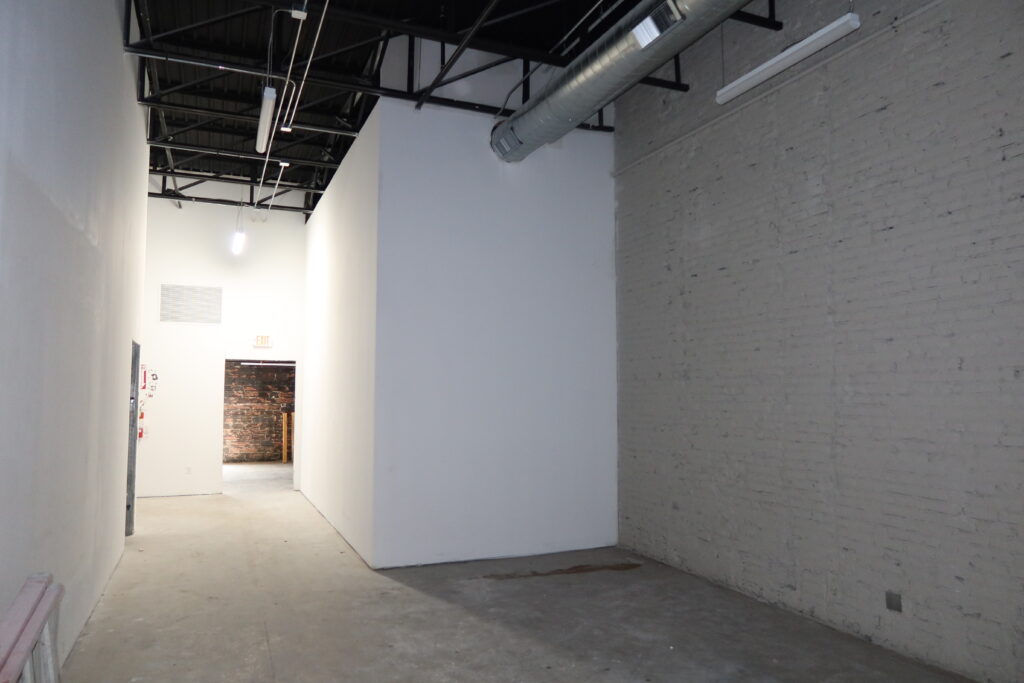
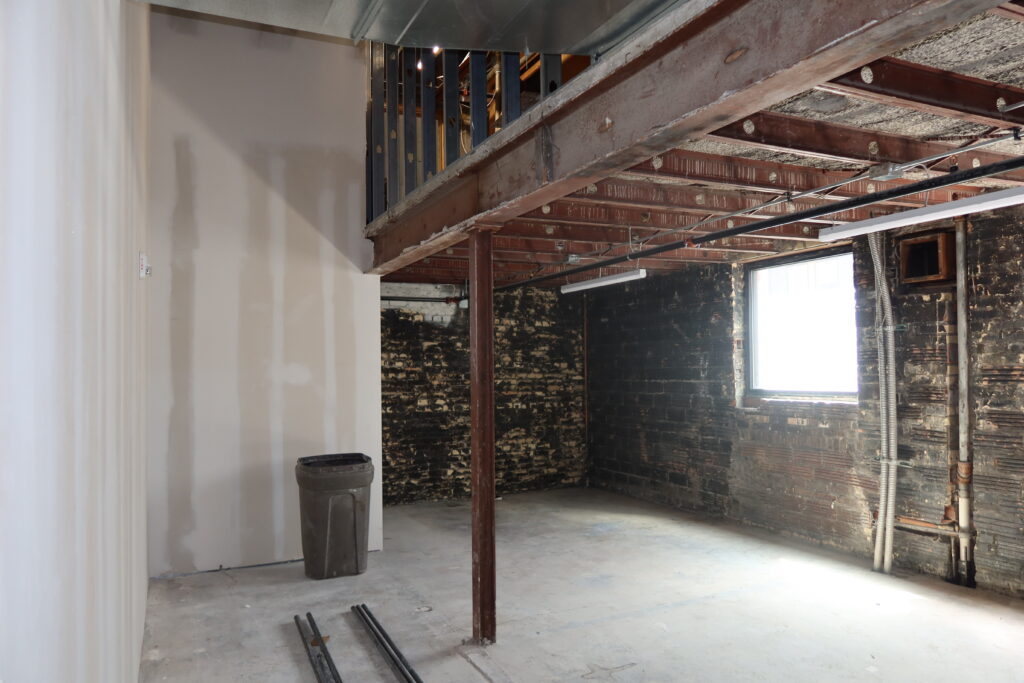
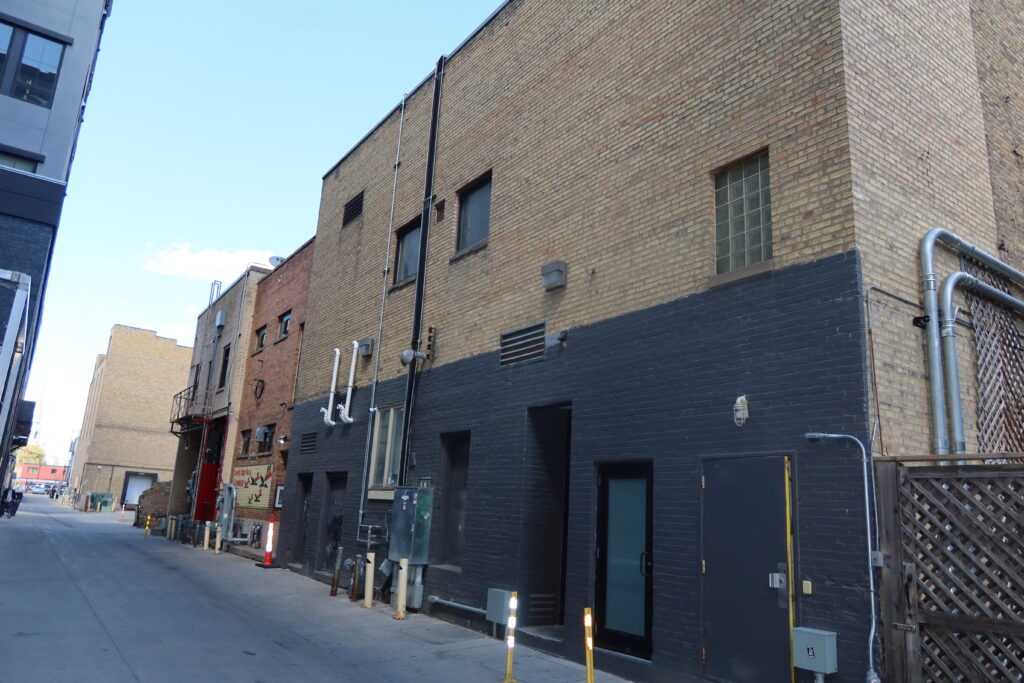
— Open lounge with polished concrete and exposed truss
— High-ceiling flex room on the Broadway end
— Eleven private suites off a center corridor
— Private restrooms; restored finishes throughout
— Covered street-side balcony on Broadway
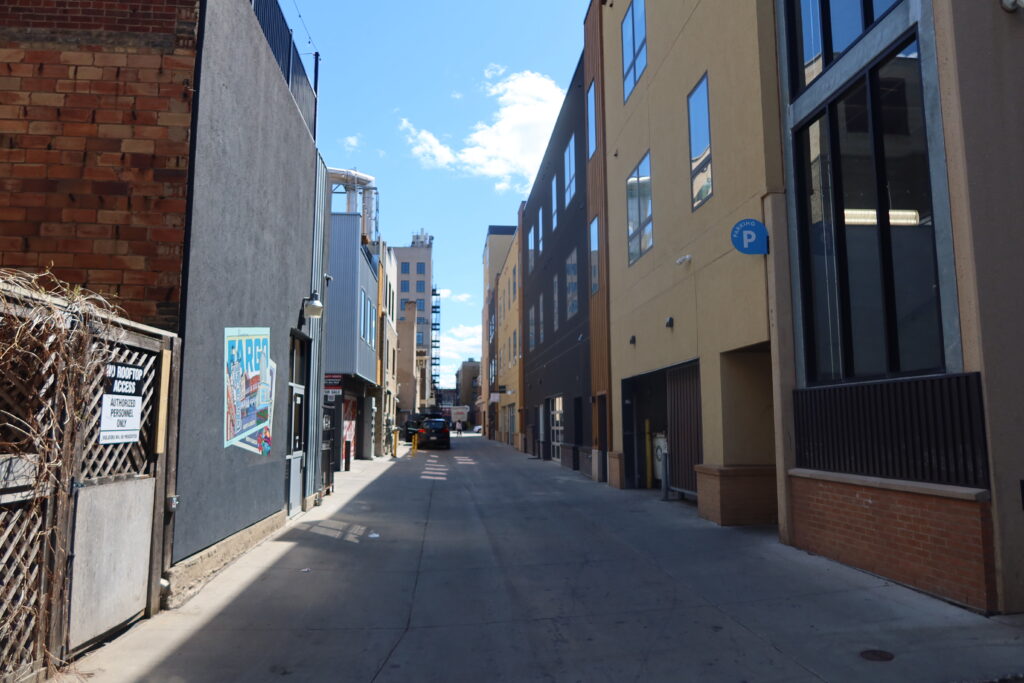
— Stair and elevator access; rear alley entry
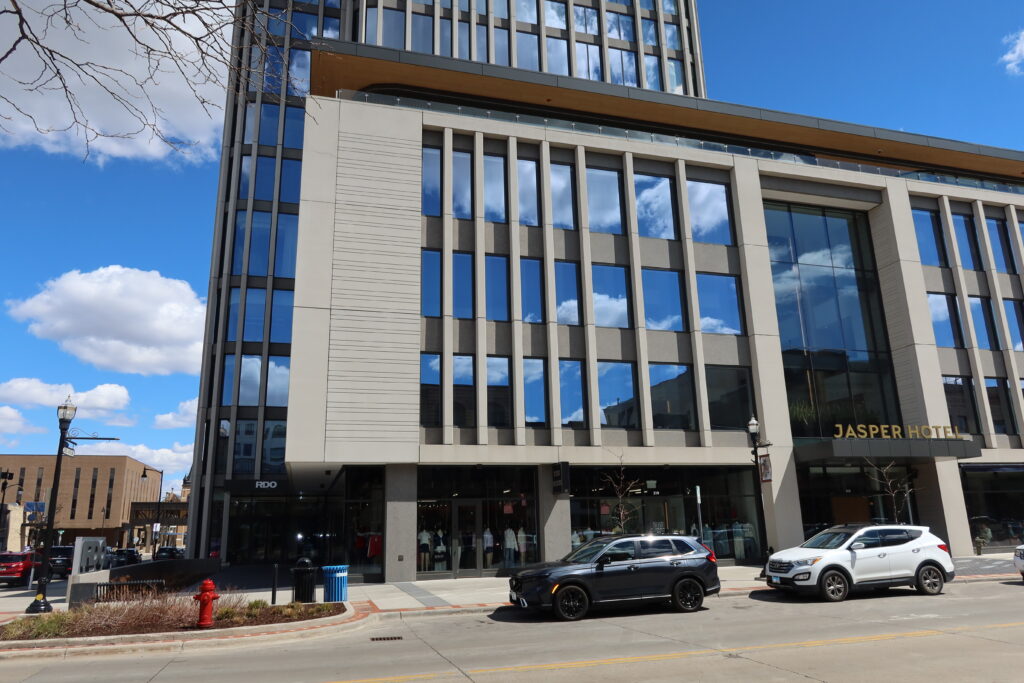
Atomic Coffee Downstairs – Jasper Hotel Across the Street
◆ The Building, At A Glance ◆
Address
222 North Broadway
City
Fargo, North Dakota
Built
1949 (rebuilt after fire)
First Building
1909, Knights of Columbus
Lot
Block 3, Roberts Addition (1884)
Stories
Two, Plus Basement
Current Owner
Banner, LLC
Current Owner
Banner, LLC
Now Available
The Upper Floor, For Lease
For information about leasing the upper floor of 222 North Broadway:
Contact Chase Driscoll, Advisor to Banner, LLC.
✆ 701-263-1004
🖂 CDriscoll@AbernatheyBuilding.com
Make this Space Your Own
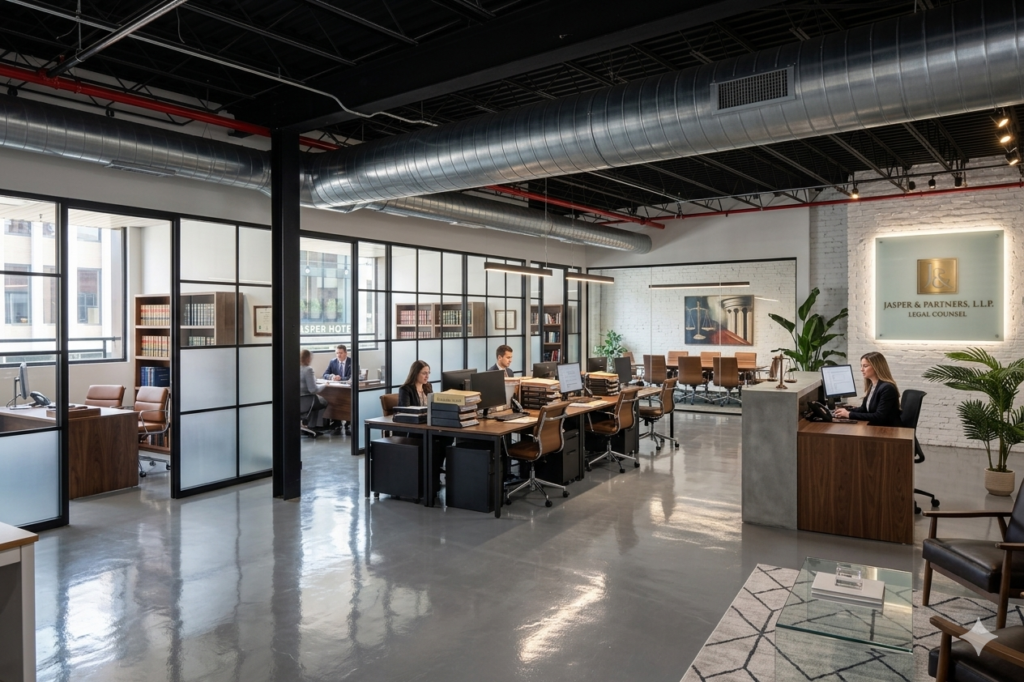
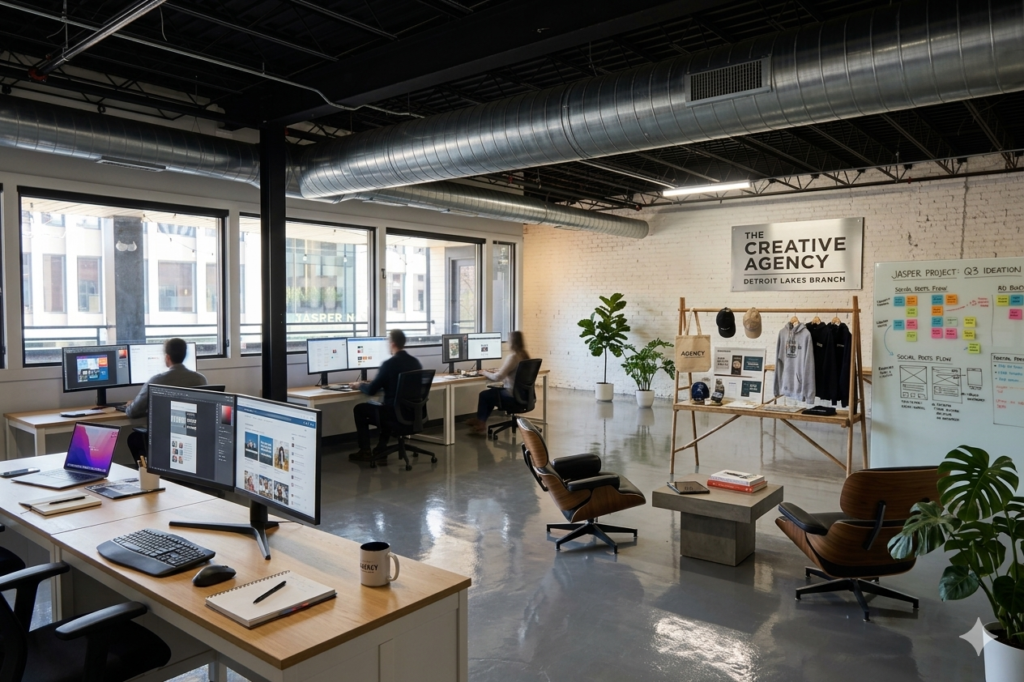
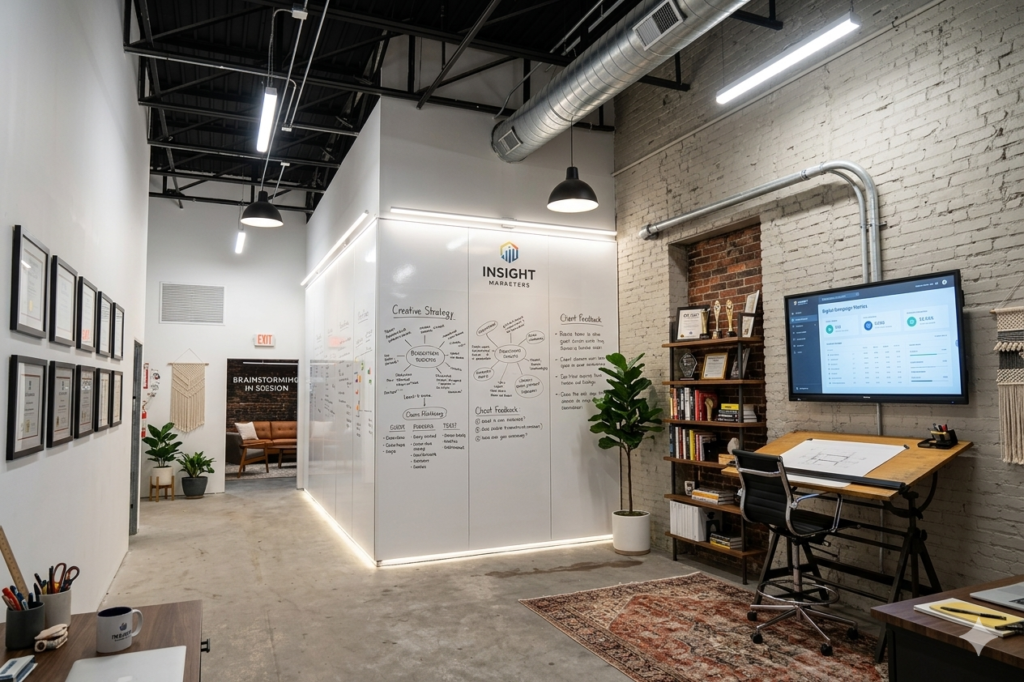
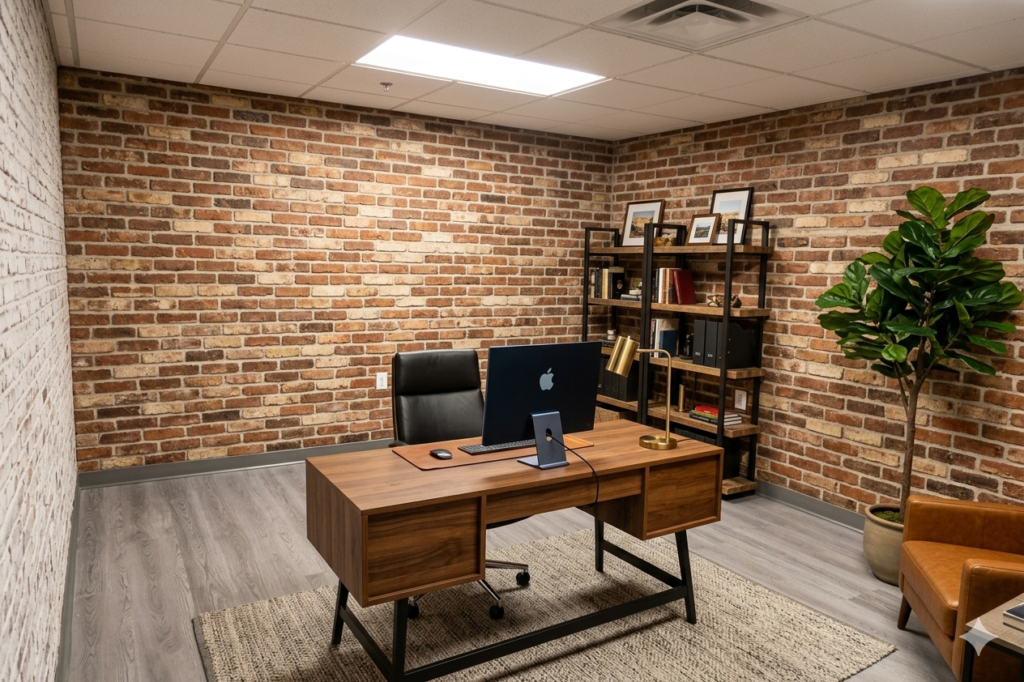
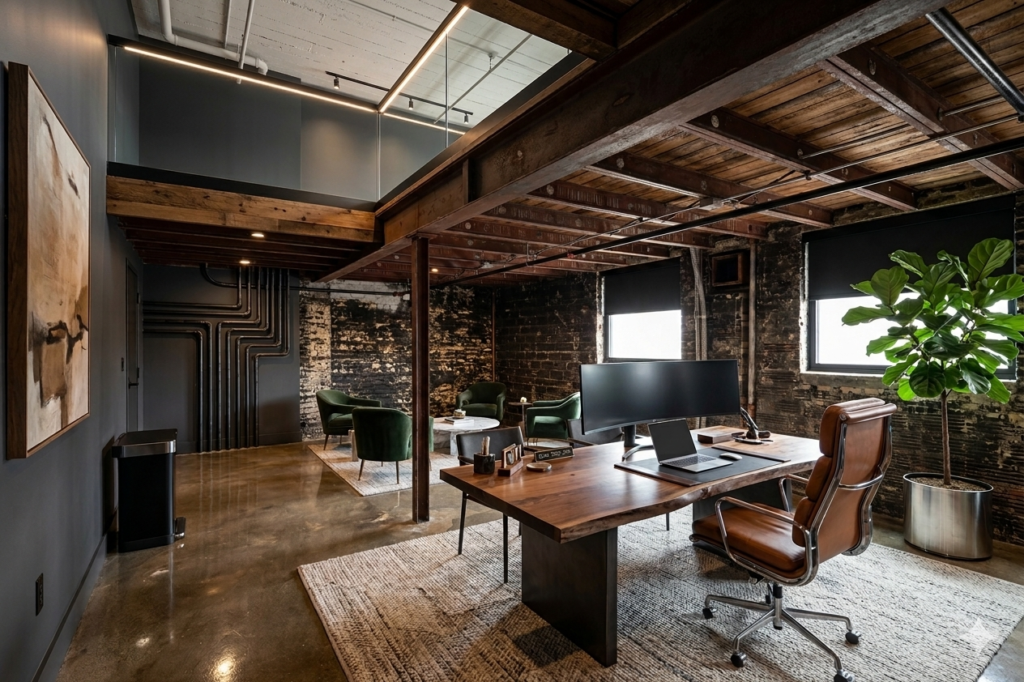
This space has so much potential to be whatever you need it to be. Here are some creative ideas of how this space could look if you made it your own.
Every building on Broadway has a story. This is ours.
By Chase Driscoll ◆ On Behalf of Banner, LLC ◆ April, 2026
I. Roberts’s Corner
Before Broadway was Broadway, this lot belonged to a Civil War veteran named Samuel G. Roberts. He stepped off a Northern Pacific train in January 1872, not long after Fargo had a name, and claimed the quarter-section of prairie that would become the spine of downtown. Three years later, the city’s first elected government convened in his law office. In 1884, Roberts platted his land into the blocks that still organize the modern downtown. Lot 6, Block 3 of the S.G. Roberts First Addition is the parcel under your feet at 222 North Broadway.
What stood on this lot in those first years is not recorded — at least not in any source we could find. Whatever it was, the Great Fargo Fire of June 7, 1893 almost certainly took it. The fire began at a hotel a few blocks south and burned its way north through the heart of the city. Lot 6 sat squarely in the path. By the time the smoke cleared, most of downtown Fargo was rubble.
The city rebuilt fast. By 1909, the Knights of Columbus, a Catholic fraternal order, had completed a two-story brick building on the corner. The upper floor housed their clubrooms. The ground floor opened to the street as commercial space. The first tenant, the Broadway Department Store, ran a grand-opening ad in the Fargo Forum that August: “Above high rents, below high prices.” The store was gone within two years. An automobile dealer took its place — selling the E-M-F, a Detroit-built car that Studebaker would absorb in 1912. Then a furniture company. Then an apparel store called Hughes, which kept the address through the Depression and the war years.
On October 12, 1948, the building burned. The next morning’s Forum led with a headline still legible in the NDSU archive: “Fire Guts Hughes Store, KC Club.”
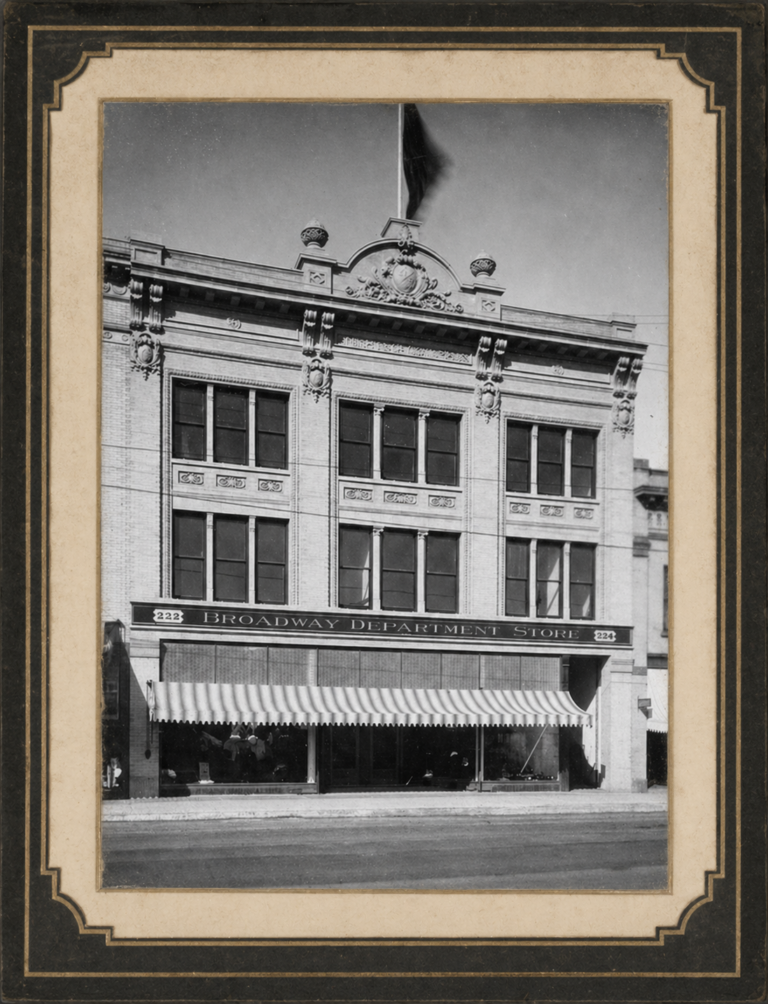
222 N Broadway -Pre-1948 Fire-
Two buildings, ninety-six years of one tenant, one fire, one jazz club, and a corner that has never gone dark.
II. The Polished-Stone Years
The Knights rebuilt within a year. The structure that rose on the same footprint in 1949 — the building still standing today — is described in the National Register district nomination as “two story brick, faced in polished stone blocks.” It is a quiet building in the Mid-Century Commercial mode: rectangular, flat-roofed, plainspoken. No cornices, no terra cotta. The architect’s name has not survived in any archive we could locate. Neither has the contractor’s. Some buildings come into the world without a paper trail, and this is one of them.
Hughes Apparel returned to the storefront. A 1952 photograph held at NDSU shows the new building with Hughes back in business and a B.F. Goodrich tire shop next door. The Knights of Columbus returned to their upper floor and stayed there. They would remain in the building for the next fifty-six years — closing out a tenancy that had begun in 1909 and lasted, in total, ninety-six years across two buildings on the same lot.
In 2005, the Knights left. A local investment group bought the building and began bringing in new tenants. Atomic Coffee opened on the ground floor and is still there today, twenty years later, with a cabinet of “Best Coffee Shop” awards to show for it. A counseling practice, a hair salon, a furniture store, and an advertising firm filled out the upper floors and the basement.
The basement is where the building’s most interesting decade happened. From roughly 2008 to 2016, a small jazz club called Studio 222 operated below street level. It was a strange little room for what it pulled off — a Fargo basement that hosted Bob Mintzer, Eddie Gomez of the Bill Evans Trio, Tierney Sutton, Peter Erskine, and Stefon Harris. Patrons climbed down a stairway behind an unmarked door and watched musicians play three feet away. When Studio 222 closed in 2016, Dempsey’s Public House next door knocked a twenty-one-foot opening through the shared wall and absorbed the space.
During the same stretch, ESPN’s College GameDay broadcast twice from the corner outside, in 2013 and 2014. The 222 Broadway balcony sat directly above the set. The building hosted three hundred guests on game day in 2014 — a busy moment for a corner that had spent most of its life being unhurried.
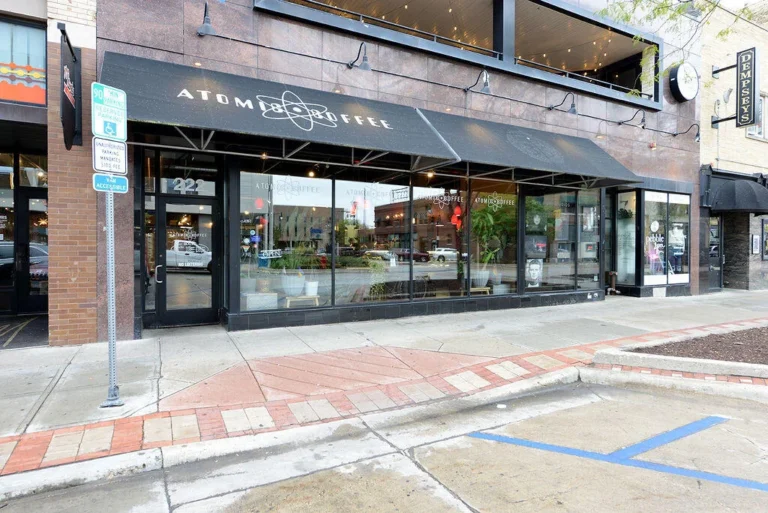
Atomic Coffee - Located on the Bottom Floor
III. The Next Tenant
The current chapter began in the late 2010s, when Banner, LLC acquired the building. Banner is owned by Andrew Abernathey, a North Dakota native, and the building takes its current name from the family. Under Banner’s ownership, the building has received a new roof, updated mechanical and electrical systems, a new sprinkler system, and a refreshed main level — the kind of work that doesn’t show. Replacing what was tired, leaving what was good.
The ground floor remains active, anchored by Atomic Coffee and a few smaller tenants. Dempsey’s Public House next door still occupies the old Studio 222 basement. The upper floor, looking out over Broadway through tall windows that have framed the same view since 1949, is available for the next tenant.
A note on names. The building has carried several over its long life on this corner — the Knights of Columbus Building, the Hughes Building, 222 Broadway, the Abernathey Building. Each one belongs to its era. What runs underneath all of them is the corner itself, which has been in continuous commercial use since the year Fargo was a town with three streets. Some addresses earn their gravity slowly. This is one of them.
The upper floor is open. The right tenant isn’t defined by industry — it’s defined by the orientation a building like this has always rewarded: a long view, a sense of identity, a reason to want a Broadway address that means something specific. The corner has been here a long time. The next chapter starts with the right tenant in the room above.